
Jemoi Powe is a man on the move. The first time we chatted, he was literally in motion, making his way home via a couple of buses, while talking to me with headphones on. In performance—as dance critic Marcie Sillman posted about Whim W’Him’s summer popups in her Substack, And Another Thing!—”Jemoni Powe’s lithe body seems to emphasize every twitch of the torso in his introductory Seattle show.”
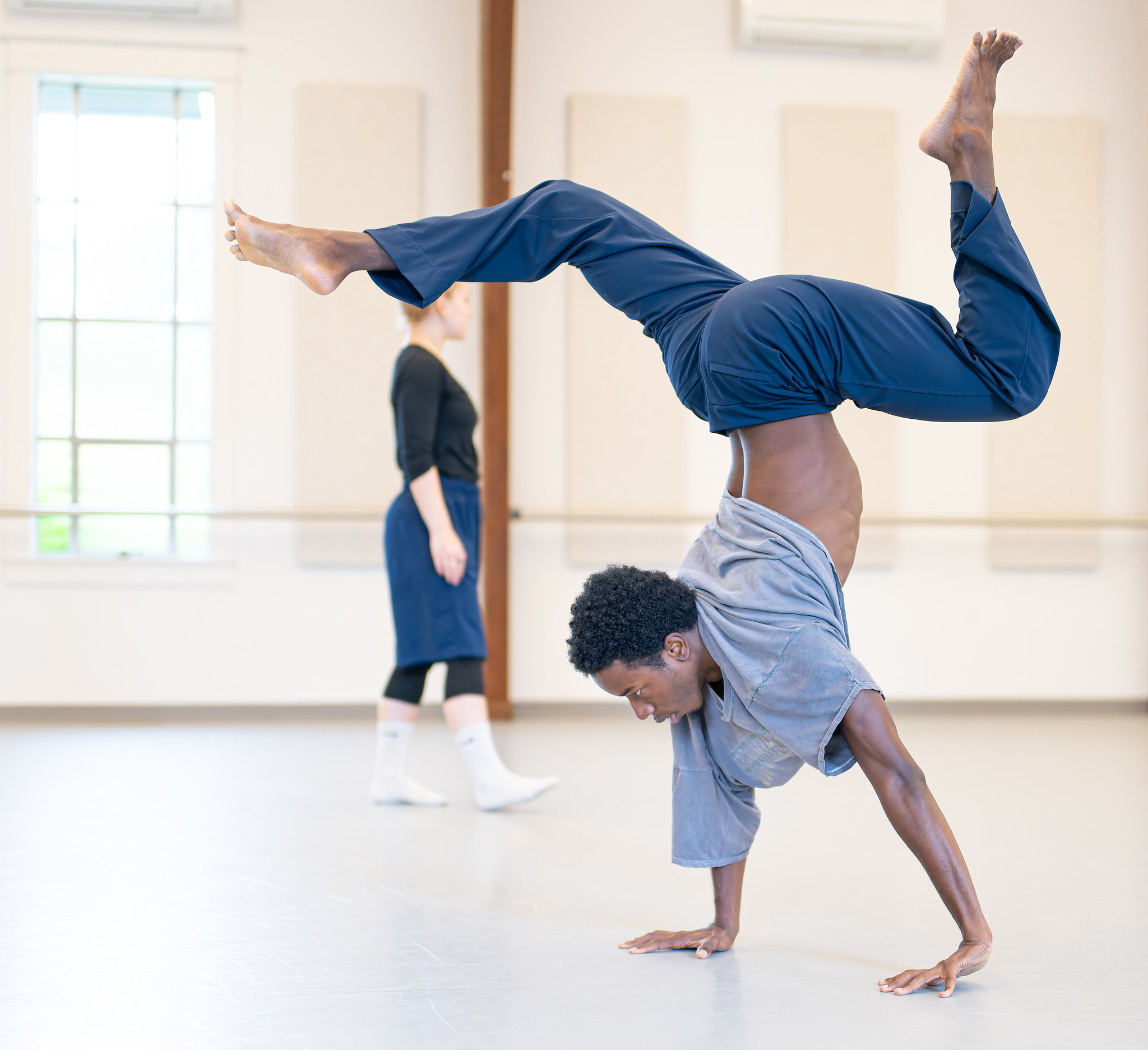
Jemoni grew up in Las Vegas. “Yeah,” he says, as a kid “I used to dance around. It was a running bit in my family to call me J Money because I was obsessed with this one music video, and I learned all the steps from it. That was kind of like my first real moment of falling in love with dance.” He started taking dance in 5th grade after he obliged his best friend by going along with her to audition for a Nevada Ballet Theatre (NBT) non-profit elementary school program. He was spotted and offered a place and a scholarship that paid first for one or two classes a week, more as he advanced.

In the beginning it was rough going. “I skipped classes,” Jemoni says. “I hated it. Having to analyze myself. It’s hard to measure if you’re getting better in ballet. I just was into sports growing up my whole life, as most black male kids were.” It was a whole new experience, “being in front of a mirror for the first time and having to really look at myself. My teacher at the time thought that I could be really good. I had good coordination, and I had what people would call ‘good student syndrome.’ I would just hang on her every word. So I think she was really hard on me, harder on me than the other kinds in the class. For maybe the first month, I would leave ballet every day crying, every single day. My mom—we would sit in the car together after class—would be like, ‘Do you want to do this? You seem like you don’t like this.’ And I’d be like, “No, please take me back. I just—it’s hard, and I’d cry my eyes out. Obviously, I stuck with that, but you know, it’s a hard job.”
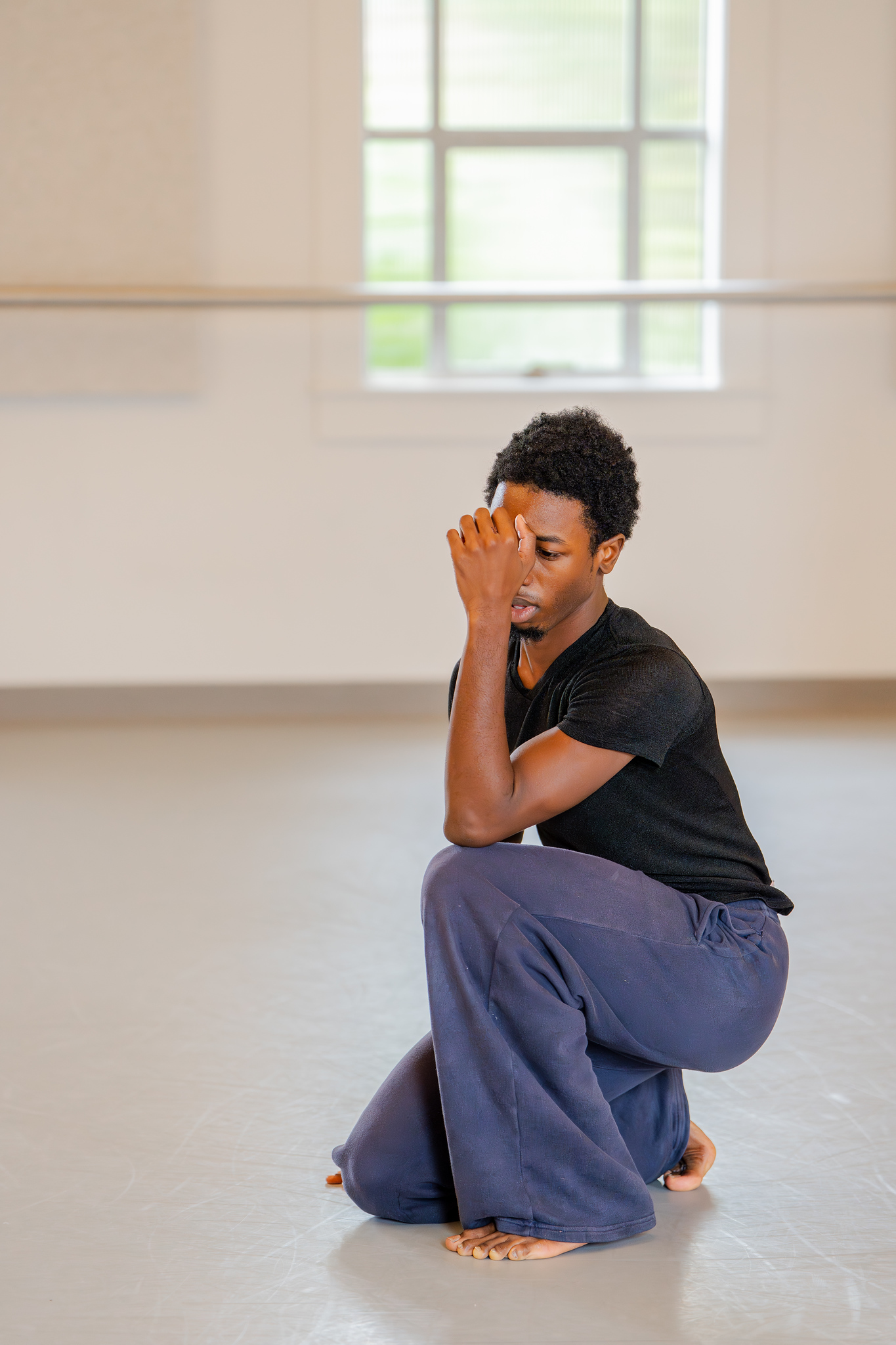
As he continued to stick with it, his family helped a lot. “My mom was immediately supportive, and my dad, like dance dads do, took a little bit longer to convince, and still to this day probably wishes I was a hip-hop dancer. But you know, you get what you got.”
From the very first one—Shara Bergal, who saw his potential and was very demanding—good teachers were also essential . “They did things to spark my interest,” he says. Very important to Jemoni was Dodie [Askegard] who is still teaching at NBT, now as the School Coordinator. “She really made me fall in love with ballet. My relationship with ballet probably wasn’t the best until I was like 15-16, and then I started to have Dodie. She just talked to me, talked through ballet with me, in a way that was based off of sensation—she spoke a language I can understand. She was hard on me but also sympathetic, so I loved her. She was amazing.” Plus there was “My dance mom Terane [Comito], who was the director of our program. She was my confidante and my support. I would stay with her when we traveled for competitions because I couldn’t afford to fully go with my family. We went to New Mexico and to San Diego together for competitions. She’s the person I’d go to and she’d have what I needed”—from reassurance to a spare pair of pants.
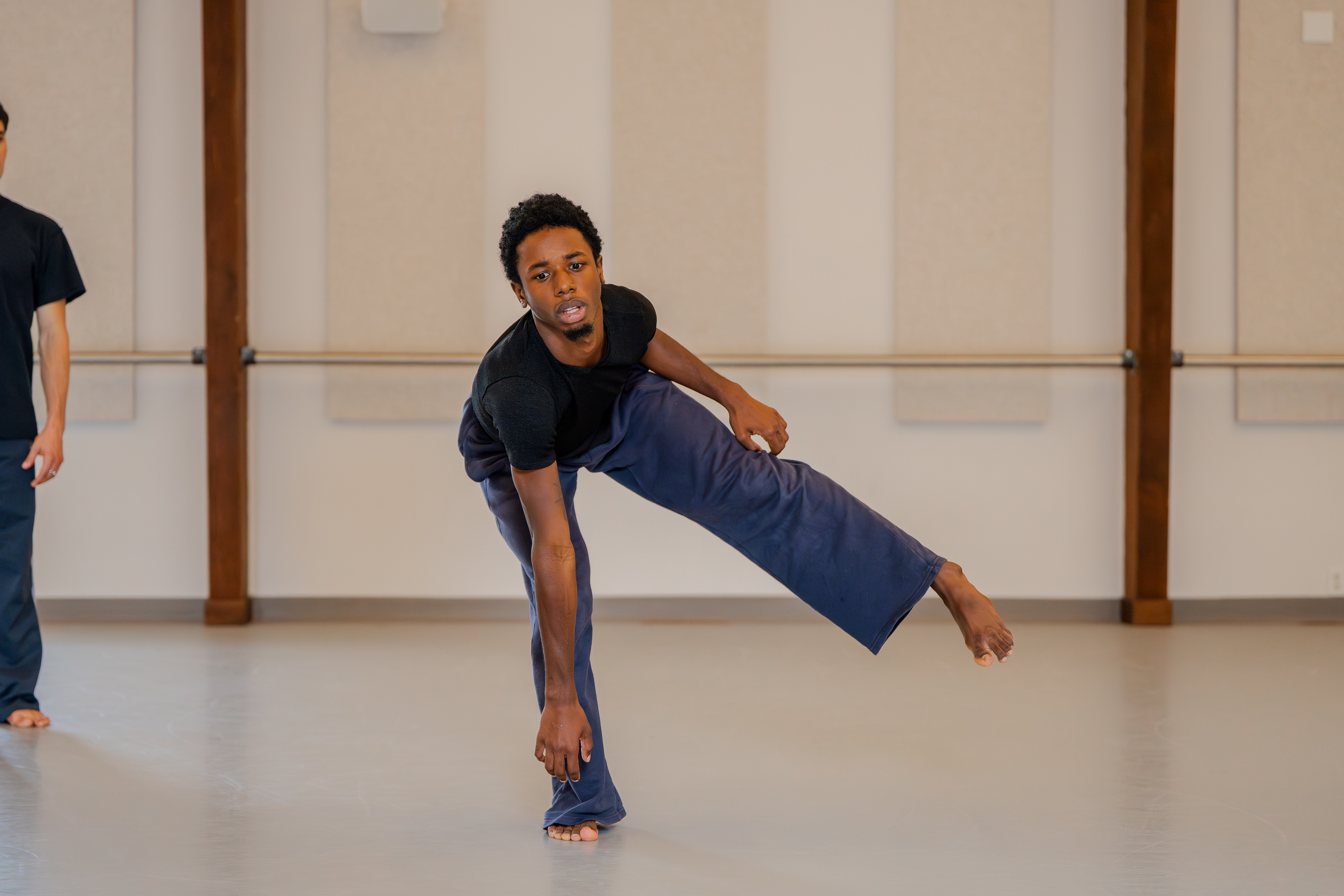
After two years of ballet, Jemoni “then slowly added other styles, contemporary, jazz (though never tap).” I asked when dance became really important to him. It was after he saw ‘Contemporary trope,’ a 1990 NDT video. “It was like, this what I’m supposed to do. Not a hobby but a career—it changed how I do dance.’
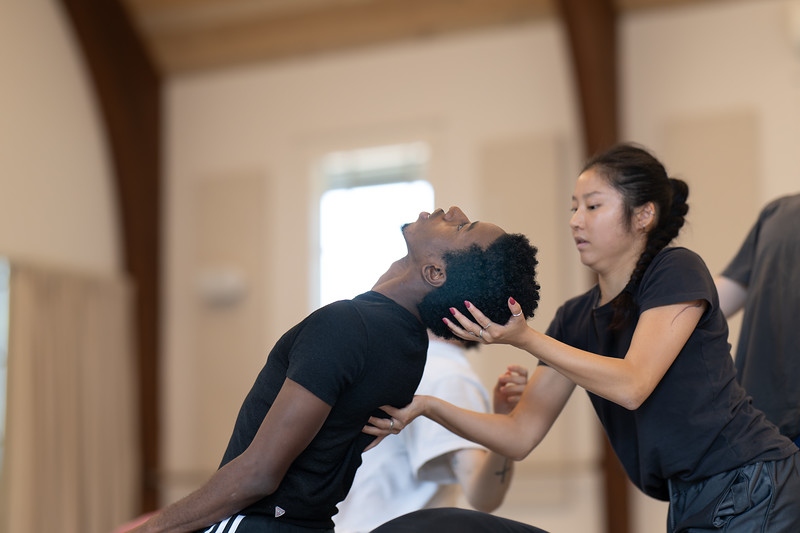
When asked why he switched from ballet to contemporary dance, Jemoni replies, “It was pretty natural. I’m not that great at ballet. I can pull things off, but I’m not ABT [American Ballet Theatre] material. Most companies of contemporary or contemporary ballet, do narrative or abstract work.” He likes exploring the nature of movement and adds, “I used to be more involved in narrative but I’ve gone toward abstract dance.”
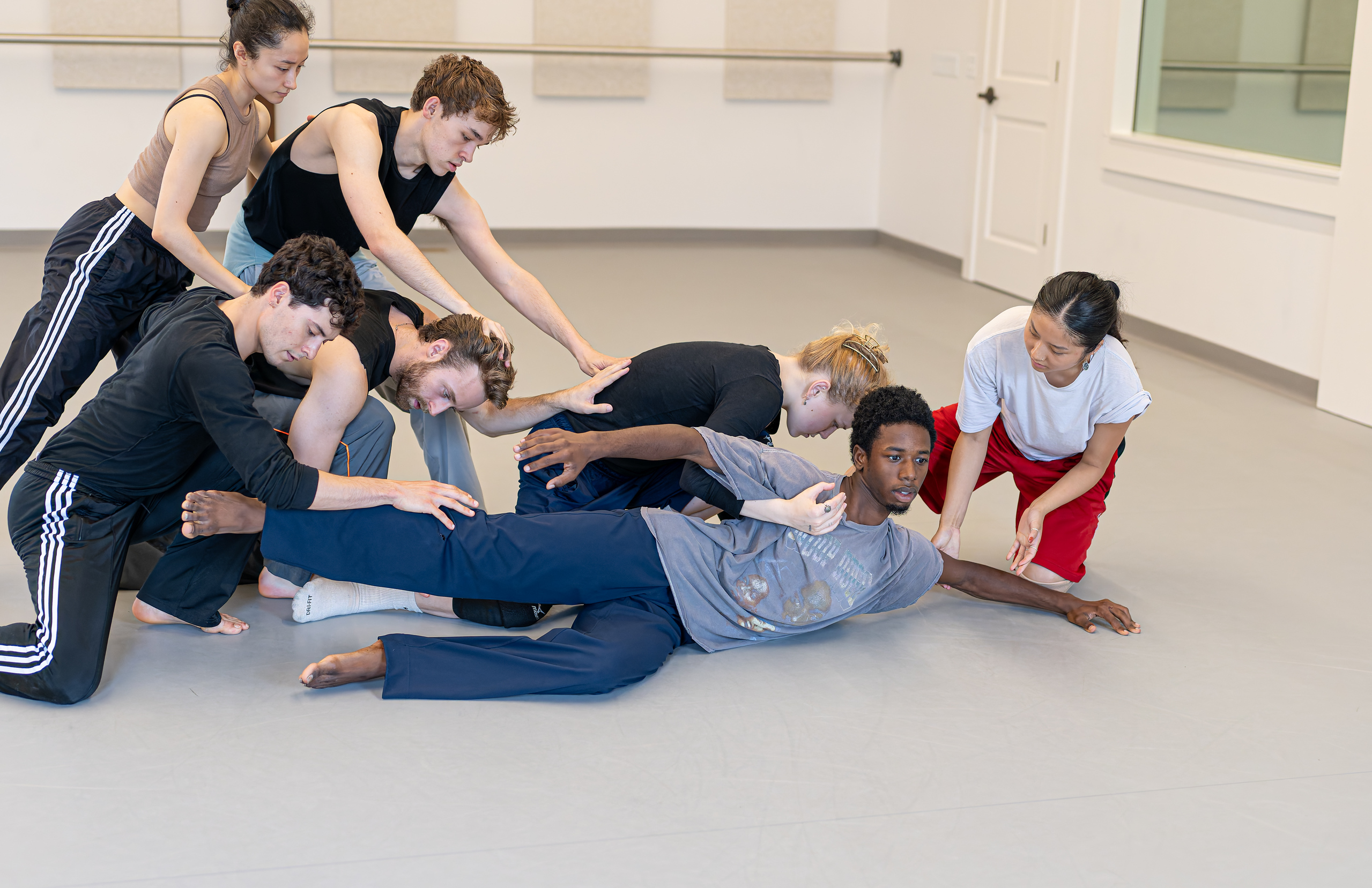
Over the years Jemoni has derived much pleasure from making dances. Dance Spirit said in a 2020 article, “He’s also been making his own mark on the dance world by posting intimate Instagram videos that show his movement innovation process. When he improvises, he really creates—shapes, lines, pathways, ideas, momentum, patterns—and says his biggest source of inspiration is the physical body. “Analyzing what shapes or movement patterns my body or other bodies can create is where so much of my movement derives from,” Jemoni says.” It’s still true.

Jemoni loves traveling, and living and being in different places. After finishing high school in Las Vegas, he went on to the New York University Tisch School of the Arts, from which he graduated last year. Of his New York experience, Jemoni remarks, “I was in school when I went to NY, so I really just associate NY with school for the first few years. It was wonderful but also horrible. I think it’s everything you’d expect New York to be, like splendid, active, exhilarating, but also like disgusting and horrible and rude. But you know, you grow to love it, and you just live the life that you do out there. I think New York wasn’t meant for me back then.” But now he says he can appreciate it. Chicago less so. Jemoni had a 6-months stint at Hubbard Street Dance Chicago, where he lived in a sketchy part of town. He’s glad not to have experienced the city during the winter. and though he’d enjoy going back to visit Chicago, he’d not ever want to live there.
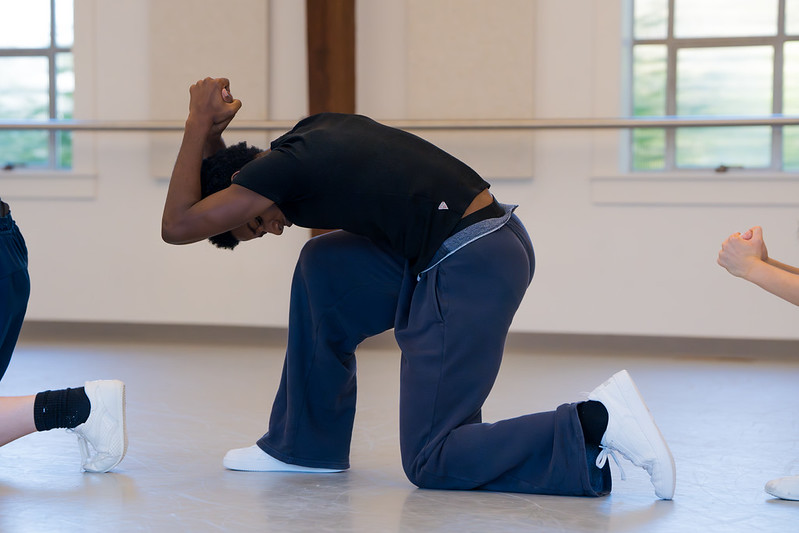
Auditions are high on the list of Jemoni dislikes. ‘I hate auditioning, specifically the culture as it is now,” he says, “I did so many auditions, at least 10 a year. The WW audition was brutal.” His first attempt at it was year before last. “I was horrible,” he says frankly. “I hadn’t done this kind of dance before. This second time, I came to it with a different mindset. It was excruciatingly brutal, but I learned so much, more than any other audition. Karl [Watson] leads class as well as audition, so you’re operating in 2 lanes. In class you can bail, and it’s ok not to be perfect. There’s more self-pressure in an audition.”
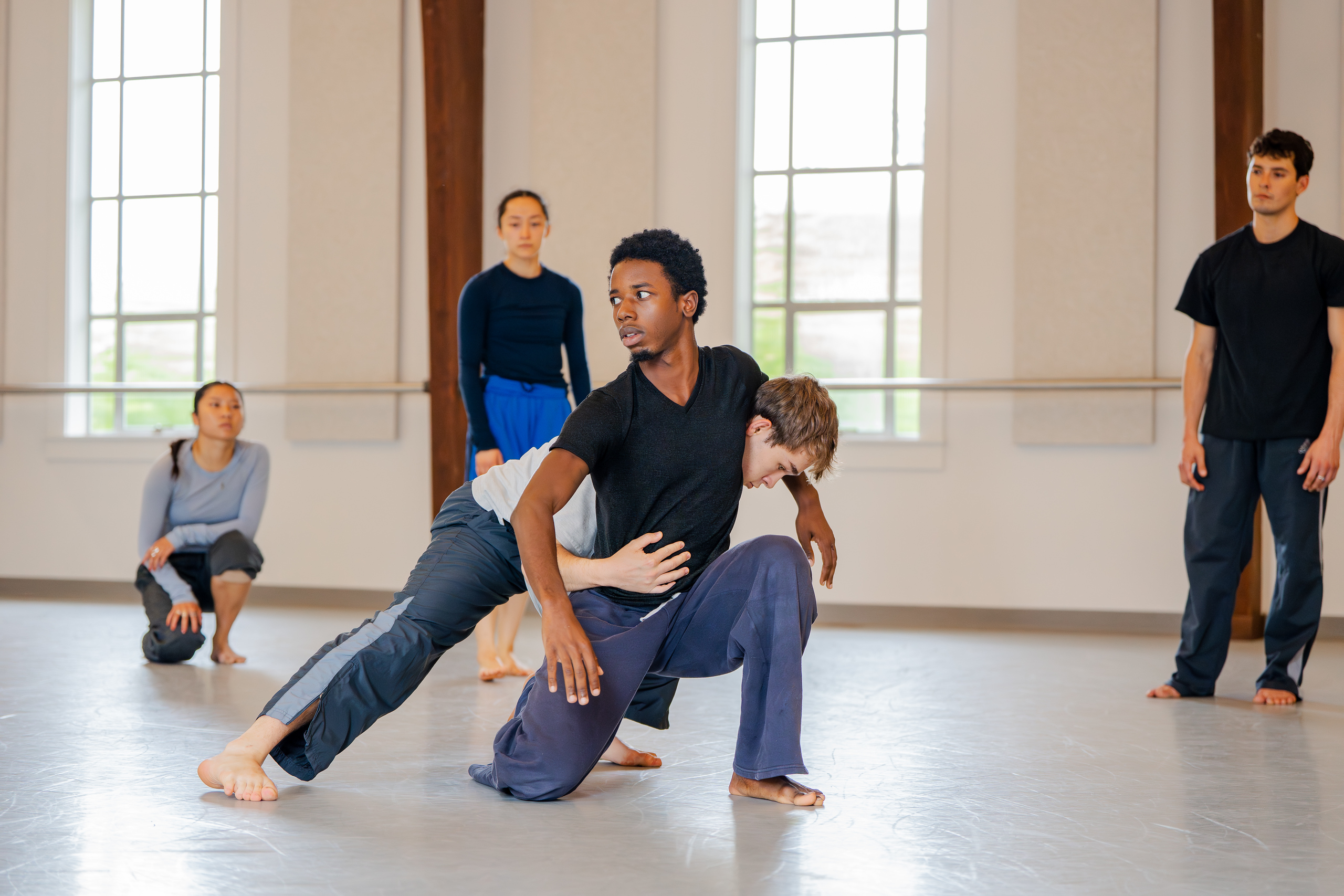
But he succeeded, joined the company this spring, and now reports, ‘I’m obsessed with Seattle.’ People are friendly, the company are pleased to have the new energy that he and fellow new dancer Yoshi Sanders bring to it, and Jemoni is delighted to have had the chance to experience the natural world a little outside the city. He found teaching at the Whim W’Him intensive this summer “very refreshing” and is “overjoyed” to be part of the company in its opening performances of the 2025-26 season.
What Jemoni likes: